Everyday Banking
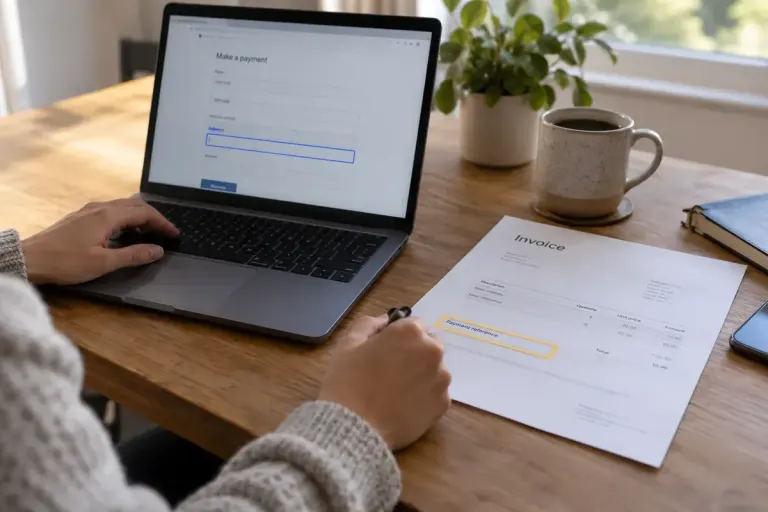
A Payment Reference Helps the Recipient Match Your Bank Transfer
A payment can reach the right bank account but remain unmatched to your invoice. Use the recipient’s reference and keep a useful transfer record.

Clearer decisions for everyday money.
A payment can reach the right bank account but remain unmatched to your invoice. Use the recipient’s reference and keep a useful transfer record.

Compare the fee, interest start date and repayment rules before using a credit card to withdraw cash.

Compare a balance-transfer offer using the fee, repayment period and terms that apply after the introductory rate ends.
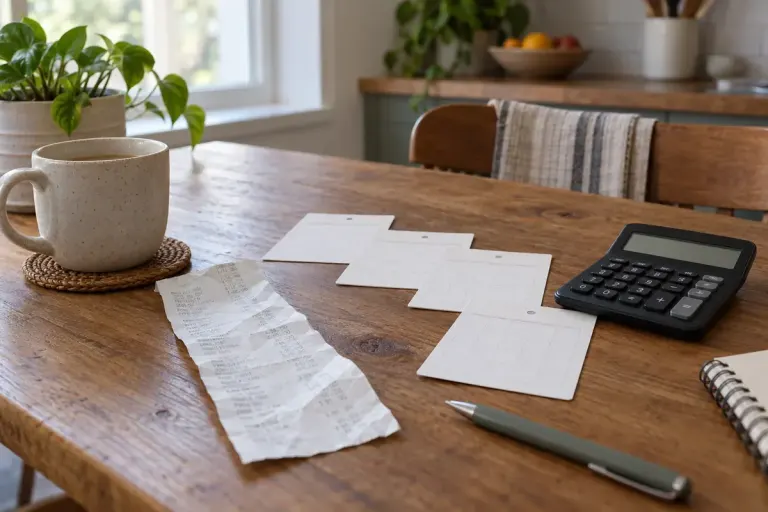
Put buy-now-pay-later instalments beside rent, bills and other purchases so a small checkout payment does not hide a crowded repayment month.

Separate your bank balance from an overdraft allowance, then build a spending check that shows what you actually own and what you would borrow.

Look beyond the monthly instalment and find out whether a loan leaves a larger final payment, when it falls due and how you would fund it.

Understand why an available cheque deposit can still be reversed, and how to respond when someone asks you to send part of it elsewhere.

Before sharing a bank account, agree what it pays for, when contributions arrive and how both people can follow the money.

Identify who controls a regular payment before changing its amount, cancelling it or arranging a replacement with the organisation you pay.